“Things do not go away. They go somewhere.” (Annie Dillard)
Many trustees assume that a dormant trust can be safely forgotten. No income, no assets, no transactions … No problem.
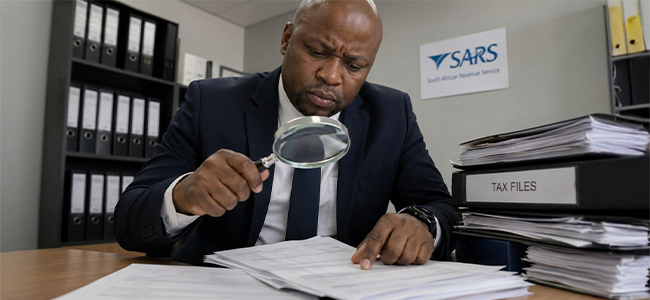
SARS has made it clear that this assumption may be an expensive one.
In recent months, SARS has intensified its focus on trust compliance, targeting trusts that have failed to submit annual income tax returns. What many trustees may not realise is that inactivity does not remove a trust’s tax obligations.
A trust that has been sitting dormant for years is still required to submit annual income tax returns. Failure to do so can now result in administrative penalties, even where the trust has conducted little or no activity.
Dormant does not mean exempt
One of the most common misconceptions among trustees is that a trust only has compliance obligations if it earns income, owns assets, or actively conducts transactions.
That is not how SARS views the issue.
According to SARS, all registered trusts, whether economically active or passive, are required to submit annual income tax returns. The obligation exists even where the trust has little or no economic activity.
Why SARS is paying closer attention
Since May 2026, the revenue authority has been issuing administrative penalty assessments to trusts with outstanding returns following earlier final demands for compliance. Trustees who received those demands were given an opportunity to correct the non-compliance before penalties were imposed.
Depending on a trust’s assessed taxable income, monthly administrative penalties can range from R250 to R16,000 and may continue accruing if the non-compliance is not remedied.
This reflects a broader shift in SARS’ approach to trusts. What was once viewed by many as a relatively passive area of administration is increasingly becoming an area of active oversight and enforcement.
Thinking about winding up a trust?
Many trustees only discover outstanding compliance issues when they begin taking steps to terminate a trust’s affairs. By that stage, years of outstanding returns, incomplete records, or unresolved SARS obligations may need to be addressed before the process can move forward.
Importantly, a trust that has effectively ceased operating is not automatically regarded by SARS as deregistered for tax. Trustees remain responsible for ensuring that trust information is maintained, updated, and, where appropriate, formally deregistered through the correct processes. Failure to do so may expose the trust, and potentially its trustees in their capacity as representative taxpayers, to penalties and other consequences under the Tax Administration Act.
Winding up a trust and deregistering it with SARS are not the same thing. A trust that trustees regard as dormant, inactive, or terminated is still regarded by SARS as a registered taxpayer with ongoing filing obligations until it has been properly deregistered.
The position can become particularly costly where penalties have been accumulating in the background.
As SARS continues to invest in data capabilities and automated enforcement mechanisms, historic compliance issues are becoming easier to identify and harder to overlook. In some cases, trusts that trustees believed were inactive for years are now being drawn back into the compliance net.
The lesson is straightforward: before assuming that a dormant trust requires no further attention, trustees should ensure that all filing obligations have been met and that the trust’s SARS records are up to date. A trust may be dormant in practice, but that does not mean it has disappeared from SARS’ radar.
Disclaimer: The information provided herein should not be used or relied on as professional advice. No liability can be accepted for any errors or omissions nor for any loss or damage arising from reliance upon any information herein. Always contact us for specific and detailed advice.
© LawDotNews