by Ranen Salikram / Candidate Attorney / Mooney Ford Attorneys
On 27 January 2026, the Supreme Court of Appeal handed down a judgment in Tourvest Holdings (Pty) Ltd v Murti [2026] ZASCA 8 that carries important implications for the tourism and hospitality industry. The judgement illustrates the circumstances in which tour operators may encounter difficulty in relying on indemnity clauses to avoid liability for negligent conduct, particularly where they create or encourage unsafe conditions for participants.
At its core, the case raised a familiar but contested issue: when can a business legitimately exclude liability for personal injury, and what limits does public policy place on such exclusions?
THE TRIP AND THE TRAGEDY
The matter arose from an accident that occurred during a Southern African safari tour arranged by Tourvest Holdings (Pty) Ltd, trading as Drifters Adventours (“Drifters”), an adventure tour operator specialising in overland safari tours.
In November 2018, Ms Murti was travelling in a modified safari truck in Botswana. The vehicle had been adapted to transport seventeen passengers and featured large side windows for game viewing. At the rear of the passenger compartment were private lockers intended for passengers’ belongings. Drifters promoted these lockers as being accessible while the vehicle was in motion.
While the truck was travelling on a tar road, Ms Murti stood up from her seat to access her locker. She lost her balance and fell against one of the windows. The window dislodged from its frame, causing her to fall through the opening onto the road, where she sustained serious injuries.
Ms Murti subsequently instituted a delictual claim for damages, alleging negligence on the part of Drifters and its employee, the driver of the vehicle.
THE DISCLAIMERS AND THE DISPUTE
Drifters sought to avoid liability by relying on two disclaimers. The first appeared in a tour brochure and the second in an indemnity form that it alleged had been signed prior to the commencement of the tour.
A central factual dispute arose around the indemnity form. Ms Murti had not signed it herself. Instead, the document had been signed by her life partner, Mr Hannon. Drifters argued that Mr Hannon had authority to bind her and that she should, in any event, be taken to have accepted the disclaimer on the basis that such clauses are common in adventure tourism.
The High Court rejected these arguments and found that Ms Murti was not bound by either disclaimer. Drifters appealed to the Supreme Court of Appeal.
THE SUPREME COURT OF APPEAL’S FINDINGS
The Supreme Court of Appeal dismissed the appeal with costs.
The Court found no credible evidence that Ms Murti was aware of the existence of the indemnity form at all. It rejected the version that all participants had signed indemnities at the outset of the tour, describing that evidence as unreliable and inconsistent with Drifters’ own pleadings.
The Court further held that a life partner does not, merely by virtue of that relationship, have authority to waive another adult’s right to bodily integrity or to bind them to an exclusionary clause. On the facts, there was no basis to infer either actual or tacit authority on the part of Mr Hannon.
In respect of the brochure disclaimer, the Court held that Drifters failed to establish that it was brought to Ms Murti’s attention in a manner sufficient to bind her. The disclaimer was general in nature and did not clearly or specifically exclude liability for the type of negligence alleged. The suggestion that a consumer should simply expect such disclaimers to exist, regardless of whether they were properly highlighted, was firmly rejected.
PUBLIC POLICY AND ENCOURAGED RISK
Of particular significance was the Court’s consideration of public policy.
The Supreme Court of Appeal noted the inherent contradiction in Drifters’ conduct. On the one hand, it actively promoted its tours on the basis that passengers were permitted to move about the vehicle while it was in motion. On the other, it sought to exclude liability for injuries arising precisely from that conduct.
The Court indicated that even if a disclaimer had been properly incorporated, it would have been inclined to find such an exclusion contrary to public policy, unfair and unenforceable.
CONCLUSION
This judgment serves as an important reminder to tour operators and other service providers operating in high-risk environments that indemnity clauses are not a substitute for safe practices. Their enforceability will depend on proper incorporation, clear communication and consistency with the manner in which services are conducted.
For consumers, the decision confirms that rights to personal safety and bodily integrity are not lightly waived, and that courts will scrutinise exclusionary clauses carefully where personal injury is involved.
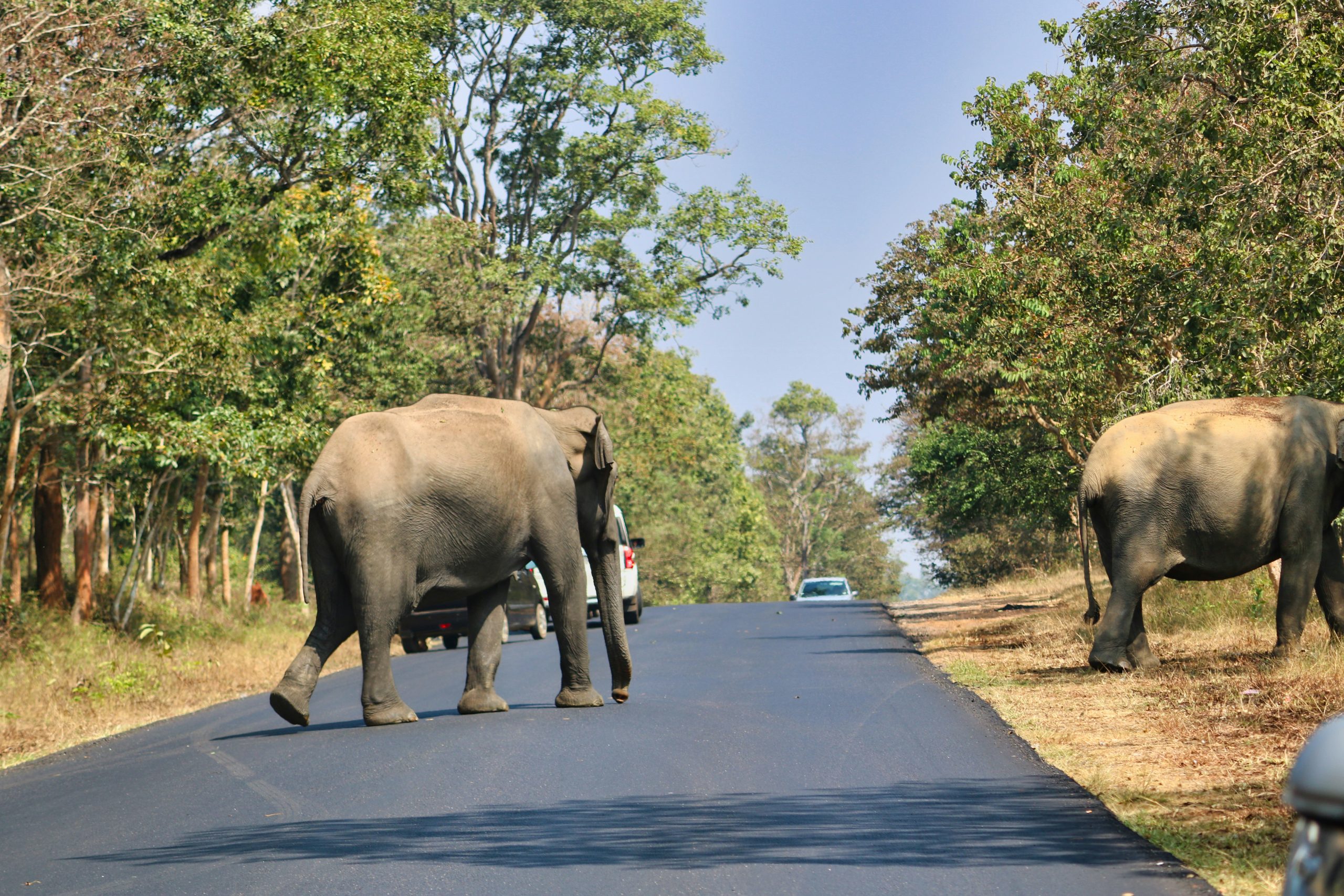
Photo by Chandan Parihar on Unsplash