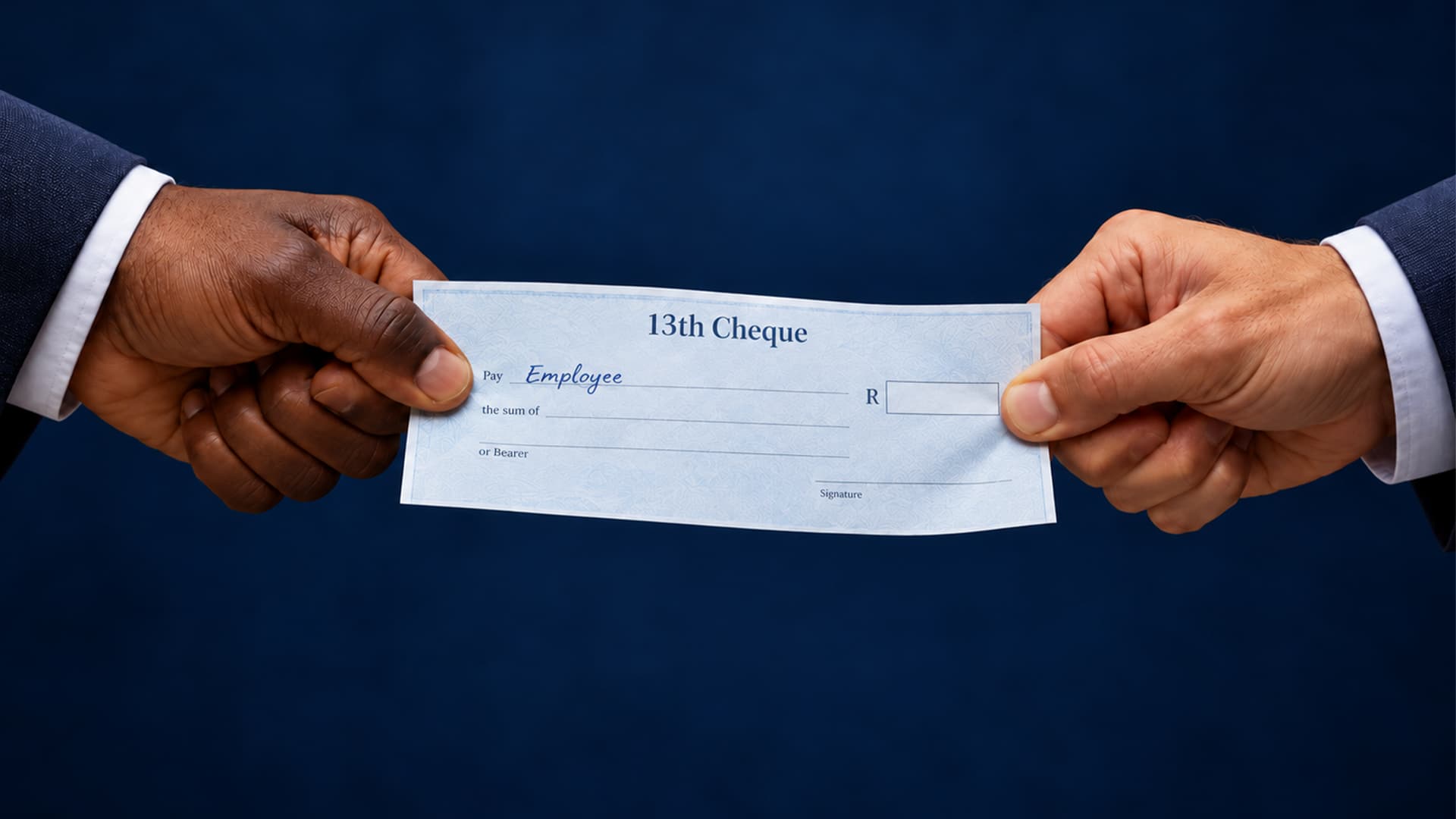
“A promise made is a debt unpaid.” (Robert W. Service)
During wage negotiations in 2021, a pharmaceutical company told its employees that it intended to stop paying a 13th cheque and replace it with a performance-based bonus. Those who agreed would receive a 5.5% salary increase. Those who refused would not. The company also said its finances were such that it would endure a strike, even a long one, rather than retain the guaranteed 13th cheque.
The employees refused. The company went ahead anyway. In December 2021 it paid no 13th cheque, only a discretionary R3,000. The judgment records that, apart from that payment, the employees concerned had received no further 13th cheque or bonus.
The employees’ union referred the dispute to the CCMA, which ruled that it had no jurisdiction. After that ruling, almost 160 of the original 214 employees accepted the company’s terms. The Labour Court application ultimately proceeded on behalf of 45 employees.
Was the 13th cheque a contractual right?
The company argued that it was not. It said the payment was a workplace practice that had developed over time, which the employees had no right to enforce.
The Court rejected that as far-fetched, because the company’s own documents said otherwise. In a settlement agreement signed in January 2020 it had recorded that it was contractually obliged to pay each employee a 13th cheque, and it had conceded the same before the CCMA. It gave no valid explanation in its court papers for withdrawing that admission and provided no facts to support the claim of a workplace practice.
The Court referred to an earlier decision that an employer must pay a 13th cheque that forms part of the contract regardless of its financial situation. It found that the company had breached the employees’ contracts.
The Court ordered the company to pay, within 10 days of its order, each of the 45 employees a 13th cheque for every year it had failed to pay one, from 2021 to the date of final payment, inclusive. The Court made no costs order, taking account of the ongoing employment relationship and the further strain a costs award could create.
What about the other employees?
The order covers only the 45 employees who remained in the case. Many other employees had accepted the revised terms, giving up the 13th cheque in exchange for the increase, and some were no longer members of the union. The Court called the acceptances unfortunate and said they showed the unequal bargaining power between employers and employees who rely on a monthly salary.
The judgment does not set out a general test for distinguishing a contractual 13th cheque from a discretionary one. It was the company’s written acknowledgement and its earlier admission before the CCMA that established the contractual entitlement in this case.
The Court noted that, without an existing right to payment arising from a contract, law, or policy, a demand for a bonus is a matter for negotiation rather than a claim to enforce an existing right.
Unsure whether your 13th cheque is a contractual right, or planning to change how your business pays bonuses? Speak to us before anything is signed or withdrawn.
Disclaimer: The information provided herein should not be used or relied on as professional advice. No liability can be accepted for any errors or omissions nor for any loss or damage arising from reliance upon any information herein. Always contact us for specific and detailed advice.
© LawDotNews