By Aphile Jabavu / Associate / Mooney Ford Attorneys
Hate Crimes and Hate Speech Now Criminalised in South Africa
South Africa has enacted a major piece of legislation aimed at strengthening protections against discrimination. The Prevention and Combating of Hate Crimes and Hate Speech Act, 2023 (Act No. 16 of 2023) was signed into law on 9 May 2024 and marks a significant shift in the legal landscape concerning expression, equality, and criminal justice as it uses a two-part test to criminalise hate crimes and hate speech in South Africa.
The Act stipulates that to qualify as hate speech; a statement must meet both of the following criteria:
Part 1: the expression must be intentionally harmful or intentionally incite harm.
Part 2: the expression must be based on a prohibited ground.
It is important to note that both parts must be satisfied for speech to be classified as hate speech. If only one part is met, it will not qualify under the Act.
This Act applies to both public and private conduct, and extends to digital spaces, including the workplace and online platforms such as: Emails, WhatsApp chats and groups, Internal communication systems (such as Microsoft Teams) and social media (even personal accounts)
The Act introduces two main legal mechanisms, first one being, Hate Crimes, which are criminal offences motivated by bias, prejudice, or intolerance based on characteristics such as Race, Religion, Gender, Age and other protected groups. And the other being, Hate Speech: Criminalises intentional and harmful communication which is spoken, written, or published, that advocates hatred against individuals or groups, that is intended or likely to incite harm.
Exempted
While the Act introduces strict prohibitions against hate speech using a two-part test, it also recognises specific exemptions to protect lawful forms of expression, such as academic, artistic, journalistic, or religious speech.
These exemptions aim to balance the constitutional right to freedom of expression with the need to combat hate speech.
In terms of Section 4(2) of the Act, the following are exempt from being classified as hate speech;
- Artistic Creativity, Performance or Expression, such as artistic works, performances, or statements that might offend but do not intend to incite harm or hatred.
- Academic or Scientific Inquiry, such as academic research, critique, or discussions.
- Fair and Accurate Reporting in the Public Interest, this applies when journalists or media outlets reporting on hate speech or discrimination.
- Religious Expression, provided it does not advocate hatred or incite harm.
Debate and Concerns
While the Act is widely supported for its intention to promote social cohesion and dignity, it has drawn criticism from civil society and media groups such as Helen Suzman Foundation (HSF)[1], FW de Klerk Foundation[2], Freedom of Religion South Africa (FOR SA)[3] and others. They argue the definition of hate speech could:
- Be overly broad
- Restrict legitimate expression
- Lead to self-censorship, especially in media, academia, movies and political commentary
In the case, AfriForum v Economic Freedom Fighters and Others[4]: The Supreme Court of Appeal discussed the application of the two-part test, emphasising the need for both elements to be present for an expression to qualify as hate speech.
The SCA emphasised the necessity of both elements of the two-part test for an expression to qualify as hate speech:
- Harm or Incitement to Harm: The expression must be harmful or incite harm.
- Prohibited Ground: The expression must be based on a prohibited ground, such as race, ethnicity, gender, or religion.
The court in this matter held that the song in question, although provocative, did not amount to hate speech when assessed through the required legal framework. It held that an objectively reasonable interpretation would view the expression as a representation of historical resistance rather than a direct incitement to violence against any specific group. As a result, the legal threshold involving both harm and a link to a prohibited ground was not met, and the claim was ultimately unsuccessful.
Online Communication: A Growing Liability Zone
Under the Act, it is important to remember that an employee may be criminally liable for hate speech if their conduct meets the two-part test.
The digital workplace is now squarely in the crosshairs of South Africa’s evolving anti-discrimination laws.
Proactive compliance and a strong ethical culture are the best defences. The two-part test and exemption clauses work together to strike a balance between free speech and protection from discrimination.
In conclusion, choose your words wisely, both in speech and online. A single post or comment can have serious and lasting consequences.
[1] https://hsf.org.za/publications/hsf-briefs/why-the-hate-speech-bill-should-be- withdrawn
[2] Proposed Hate Speech Bill will silence democracy – FW de Klerk Foundation – POLITICS | Politicsweb
[3] https://www.frontlinemissionsa.org/email_articles/a-dark-day-for-democracy
[4] South African National Editors’ Forum and Others v The Economic Freedom Fighters and Others [2019] ZAEQC 8
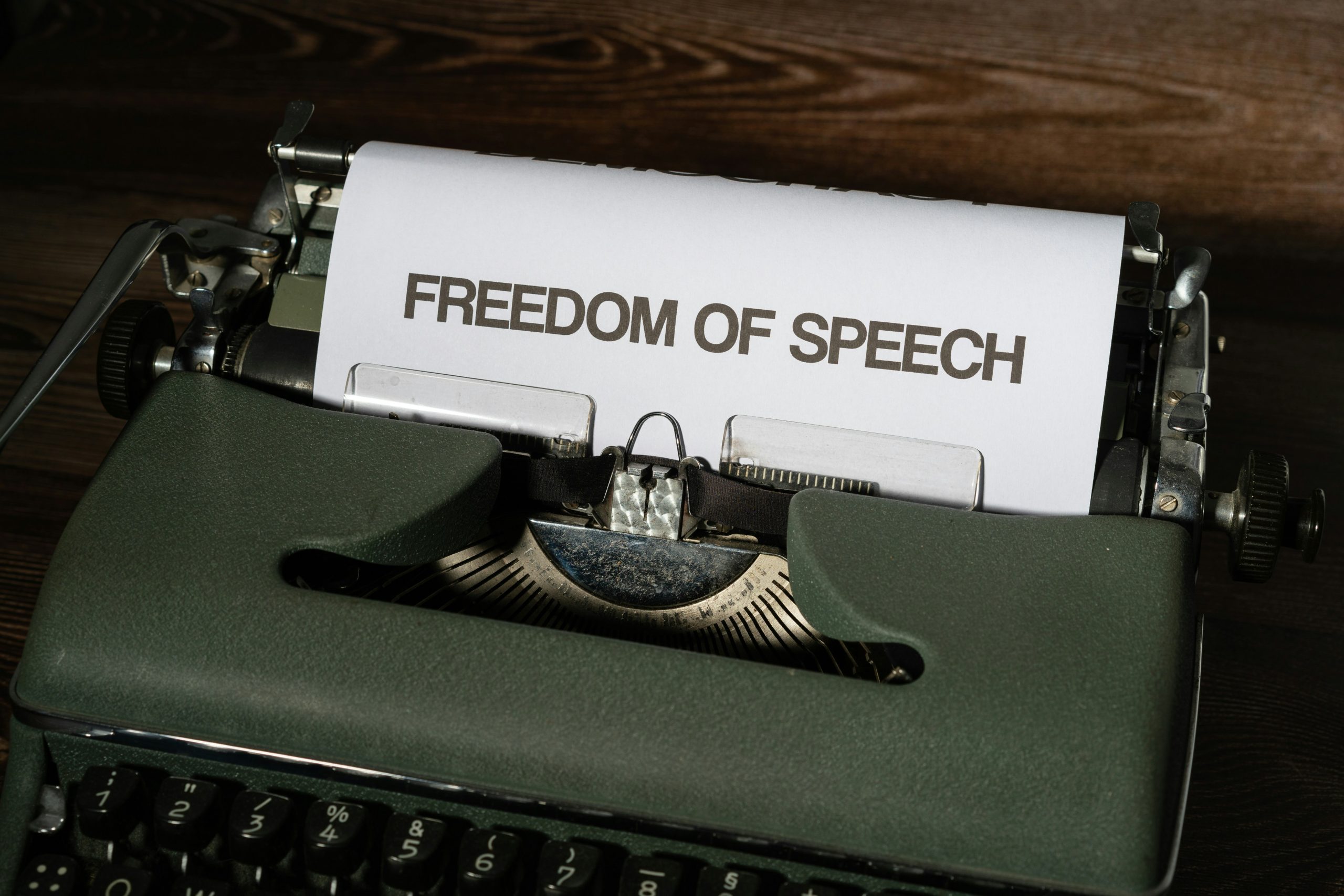
Photo by Markus Winkler on Unsplash